Waiting is one of those skills adults talk about as if it is very small. Just wait a minute. Wait your turn. Wait in line. Wait until we get there. Wait until the snack. Wait until the teacher calls on you. And yet for many children, waiting can feel absolutely enormous.
That is where social stories can help. They turn waiting from one big frustrating blur into something clearer, calmer, and easier to understand. This page brings together our social stories about waiting, from queuing and turn-taking to travel, busy places, body cues, and all those in-between moments that can feel harder than they look.
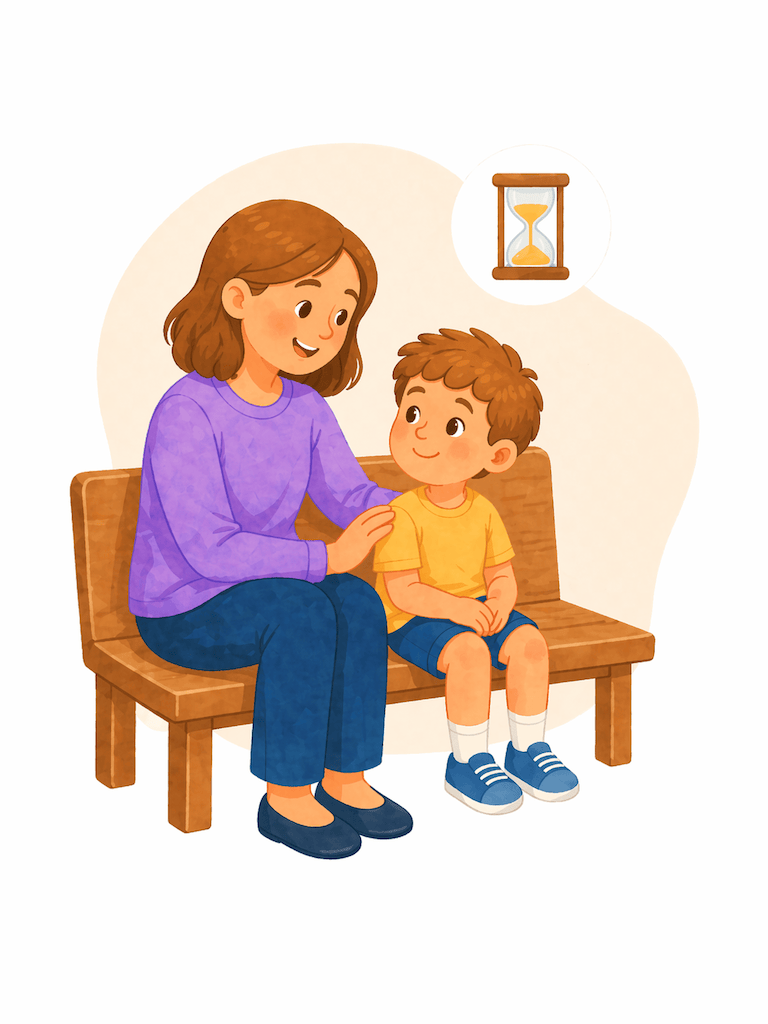
Waiting stories work best when children see them before the situation they are preparing for.
These stories are helpful for autistic and neurodivergent children, and for any child who benefits from understanding what waiting means, why it happens, and what they can do while they wait.
You can use these stories before a known waiting situation, such as school queues, airport lines, journeys, snack time, appointments, or outings to busy places.
These waiting social stories can help children with:
A waiting social story is a short, simple story that helps children understand what waiting means, why it happens, and what they can do during that time.
Yes. They are often very helpful for children who find lines, turn-taking, or delayed access especially difficult.
No. They can also help with travel, outings, snacks, toilets, cinema trips, amusement parks, and many other situations.
Usually, yes. Waiting often becomes easier when the language and expectations feel familiar.